CHINA–US FOOD PACKAGING · PARTNERSHIP PROGRAM
Made in China.Ready for US tables.
You focus on production. We coordinate US storage and distribution.
Shared profits. Shared business risks.
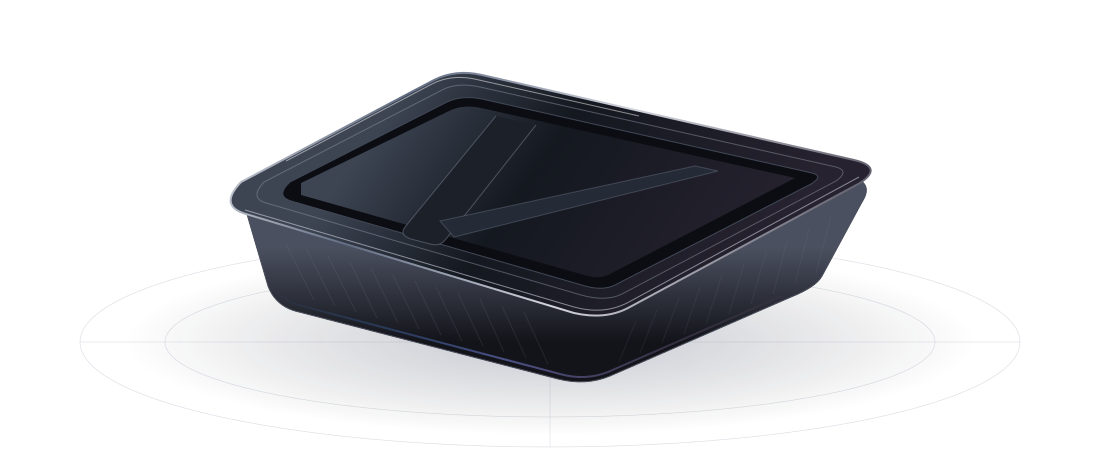
US reference price / carton
DDP cost to US / carton
Reference cartons / container
Profit split between partners
Illustrative figures only. Actual specifications, container type, exchange rates, duties and freight determine the final economics.
Product categories · selection references
Start with a container. Find your opportunity.
From single-use takeout packaging to reusable food storage and dining containers. These supplied images show product directions, not stock availability, food-contact certification or a confirmed supply commitment.
The profit calculator applies only to the reference disposable-container scenario, not every category shown. Confirm dimensions, material, capacity and performance with supplier samples and documentation. Original image labels and performance claims have not been verified.
The partnership
One supply chain. Two focused teams.
Connect manufacturing in China with local US distribution, and turn complementary capabilities into a shared business.
- 01
Manufacture in China
Produce to jointly agreed specifications, materials and quality requirements.
- 02
Load and ship
The China-side partner coordinates loading and container ocean freight.
- 03
Deliver DDP to the US
The China-side partner arranges clearance and DDP delivery to the agreed location.
- 04
Receive in Massachusetts
The US-side partner receives the container and coordinates put-away and storage.
- 05
Distribute to restaurants
The US-side partner manages restaurant distribution; both sides reconcile and settle as agreed.
Shared commitment. Shared business.
Your manufacturing. Our market connection.
Build the right product.
- Manufacturing
- Container loading
- Container logistics
- DDP delivery to the US
Connect local channels.
- Container receiving
- Put-away
- Storage
- Restaurant distribution
Shared profits and risks. Responsibilities, costs and settlement must be defined in the agreement.
Understand the numbers
One container. A clearer picture.
Adjust your prices and costs to explore the partnership under different assumptions.
Your assumptions
Illustrative onlyAdjust to your actual product quote
Cost delivered to the agreed destination
Default from the US operating scenario
Depends on product and container size
Editable assumption, not a live rate
Used for annual scenario planning
The default US operating allowance is based on the scenario below, not an actual quote. Replace it with confirmed storage, delivery and labor costs.
Profit per carton = price − DDP cost − US operating cost
US operating costs · scenario estimateOpen up the costs.
Understand the model.
$2$ / carton
Open up the costs. Understand the model.
A per-container budget assuming palletized receiving, two months of turnover and consolidated local delivery. These are planning assumptions, not actual Massachusetts warehouse or carrier quotes.
Used as the calculator default; editable at any time
Assumptions and exclusions
- Assumes 20 standard pallet positions per container and two months of turnover. The pallet count has not been verified against a load plan.
- DDP already includes delivery to the agreed US warehouse. Local delivery here means subsequent restaurant distribution, avoiding duplicate cross-border freight.
- Assumes palletized receiving. Floor-loaded unloading, oversize cartons, appointments, demurrage, long-term storage, fixed sales salaries, bad debt and taxes require separate confirmation.
- Storage and handling follow publicly listed service structures. The $1,200 delivery allowance is an internal assumption, not a carrier quote.
- Add 10% contingency and round upward to $0.10 per carton. Reassess allocations if carton count or costs change; this breakdown is the fixed default scenario.
Public information supports the budget structure only; request local quotes. Scenario dated November 3, 2026.
These figures are illustrative estimates based on current assumptions and are not an earnings promise. Actual results depend on product specifications, container type, exchange rates, duties, freight, the sales cycle and other factors. Cooperation involves business risk; evaluate it carefully.
Why this model
Different strengths. A shared direction.
A lasting business. Beyond one shipment.
Start with one container, then build toward ongoing distribution and repeat orders.
Connect with US buyers
The US-side partner develops local restaurant channels, reducing your own customer-development workload.
Coordinate local storage
The US-side partner handles receiving and storage, so you need not establish a separate warehouse for this arrangement.
Share the risks and returns
Both sides commit to the same business, with costs, risks and profit allocation defined by contract.
Work toward better visibility
A planned inventory system would show daily US shipments and stock. It is not part of the current release.
From partnership to a joint venture
If collaboration develops and both sides agree, a China–US joint venture may be considered.
From partnership to possibility
Make the first shipment work. Build from there.
Start with a practical conversation and develop the relationship step by step.
- 01
Send an enquiry
Introduce your business and products
- 02
Assess the fit
Discuss supply and cooperation terms
- 03
Samples and quotes
Agree quality and the cost basis
- 04
First container
Deliver and distribute as agreed
- 05
Reconcile and reorder
Review results before the next shipment
- 06
Consider a joint venture
An optional step after deeper cooperation
US partner · demo profile
Across the ocean. On the same team.
Hometown Table Distribution · Demo
Hometown Table Distribution is a fictional business created to demonstrate this partnership website. The proposed role covers receiving food-container shipments, storage, order coordination and distribution to takeout restaurants in Greater Boston.
FICTIONAL DEMO · Not a verified or registered partnerFor website testing only. The name, region and operating arrangements are fictional. No address, registration number, customer count, certifications or trading results are represented. Replace this profile with verified information before public recruitment.
- Demo focus
- Food-container storage and distribution coordination
- Proposed coverage
- Greater Boston and surrounding areas · fictional
- Responsibilities
- Receiving, put-away, storage and restaurant outreach
- Cooperation model
- Per-container accounting; settlement under a future contract
US warehousing concept
Illustration only · replace with verified warehouse photography

Local team concept
Illustration only · replace with real team information
Who we are looking for
Good products. A shared path overseas.
Quality-focused partners who communicate openly and want a lasting business relationship. Export experience is welcome.
Example materials · subject to confirmation
Common questions
A few things, made clear.
What does the China-side partner handle?
Manufacturing, loading, ocean freight and DDP clearance and delivery to the US. The contract defines the destination, quality requirements and cost responsibilities.
What does the US-side partner handle?
Receiving containers, put-away, storage and distribution to US takeout shops and restaurants.
How are profits shared?
Equally between the two partners. The profit definition, deductible costs, settlement cycle and risk allocation must be agreed in the contract.
Are these earnings guaranteed?
No. All figures are illustrative, not an earnings promise. Results depend on specifications, container type, exchange rates, duties, freight, US operating costs and the sales cycle.
Could the relationship go further?
After deeper cooperation, both sides may discuss a China–US joint venture. Formation and terms require a separate agreement.
Cooperation enquiry
Together, reach the US market.
Tell us about your company and how to reach you, and start a practical conversation.